
Brigid, by Kim Curran
Call it self indulgent, but how could I resist! A book recently published with the title of none other than my own name. Brigid. I walked past it in the library and did a double take, thinking surely not! But yes it does exist, and it was exciting to read, like it was some kind of calling.
Exciting and relieving because my name is often an area of annoyance. People can’t quite pronounce it, spell it, or people often go ‘ahhh it’s Brig-id not Brig-ette’, and I say yes, yes it’s Brigid with a D. But who is this mythical Brigid with a D? Was she even a person? Well now I finally have more clarity.
In truth, I’ve done a vast amount of research on the mythical Celtic Goddess Brigid so I was really curious to learn more. Primarily for this exact business and website you're reading from! The name of this very business is inspired by the roots of my name and the person, Brigid. When choosing the name, I wanted to feel a deep connection to it. I felt that it would make it easier to ride out any business lows I might encounter, if I could lean on the strength of this fascinating woman. Essentially this business is an extension of me as a person, and I am an extension of my Irish lineage, and of this name I was given. Amongst many things, the Goddess Brigid was known as the Goddess of the Sun and dawn, light and fire. She was known to build her skills as a blacksmith, being enamored by the flame. Hence the play on words.. Sunsmith.
Reading this book certainly gave me a bit of a history lesson. I love reading historical fiction for this very reason, learning about the past while simultaneously getting captivated by characters. It’s the only way historical facts cement in my memory. According to this book, myth, legend and folklore, Brigid was born in pre-Christian times, right on the cusp of Christianity taking over the world. I knew that Brigid was originally a revered Celtic Goddess, but I never understood how she crossed over to be a Christan Saint or if perhaps they were two different people altogether. I found this the most intriguing part of the book.
According to this account of the story by author Kim Curran, Brigid made this transition somewhat begrudgingly. During the 5th century Ireland, Brigid knew all too well, through lived experience, that men held the power over women and often took advantage of it. So once she was freed she started to build a sanctuary for women who were all seeking refuge from the violent men in their lives. Women flocked to her ‘monastery’ where they knew Brigid would offer them protection (she was known to have magical powers which helped her plight). She was building a reputation as a compassionate, strong, rebellious figure that other women admired. With this great responsibility on her shoulders, and with the patriarchy of Christianity converting the population from their pagan faiths, she needed a strategy to continue her work and safeguard the livelihoods she had built for her community. We witness the many junctures in Brigid’s life where hard decisions had to be made which would either move her towards Christianity or away from it, and the pain that this brings to her heart as she slowly abandons her pagan heritage. She ultimately follows this path not because she wants to, but because she feels it will give her sisterhood the best chance of survival. If she is revered and respected by the Catholic Bishops, Priests, Chieftains and Saints at the time, they might protect her from invaders and also leave her to her own devices, giving her community of women sound lives of peace and prosperity which was rare for most females. At times she regrets these decisions, and we see her wrestle with her own morality. This makes her an extremely relatable character, bringing her off the Goddess pedestal and into the realm of being human. She is incredibly humble, yet like us all, makes mistakes. She fails, but also resurrects herself. I enjoyed exploring this part of her character, as it allowed me to also feel my own humanness for when I stumble. The stakes were high for her, and yet she rose to the challenge.
The book is sometimes written from Brigid’s perspective and sometimes from the spiritual Goddess who is communing through her. Early in the book as the daughter of a chieftain but also with a mother who was a slave, her life is perilous and she starts praying to a god, any god. And somehow her prayers are answered, and she moves forward through life with a kind of shamanistic power. And so, the author Curran illustrates Brigid’s journey from human, to Goddess, to Christian Saint.. A fascinating journey.
I thoroughly enjoyed learning about the person and the Goddess Brigid, and even if that isn’t your name I would recommend this book. It explores the nuances of female friendship, the patriarchy, religion, transgender roles, power dynamics, abuse, trauma and ultimately love. It’s written masterfully, and takes the reader on an intriguing journey back in time, where life was very different, yet somehow a place where our humanness remained the same.
Some favourite quotes/passages;
“ If only she had been blessed with something other than beauty. She would rather be blessed with wisdom or bravery or strength. Anything but beauty, for what use was something that didn’t last and only existed in the eyes of others? Beauty can’t warm the cold or feed the hungry. If stories are to be told about her, let them say more than she was beautiful. Let them say anything but that.”
“ It has been eight years since Brigid last saw her mother. The same number of years they were separated when she was a child, when they had been torn from each other as a heifer and its calf. Then, her heart ached every day at the absence and she longed to be reunited. Now, she wishes it could be another eighty years. As each acre they cross brings her closer to Dun Ailinne, closer to her mother, she feels only nausea.
‘Stop’ she says, as she sees the dark walls of Dun Ailinne in the distance. ‘I feel sick’.
Ciara ignores her and urges the horse on. ‘That will be your pride. Swallow it.’ “
“ If such a thing as a free woman exists, Brigid has not seen one. Every woman she knows is owned one way or another and as far as she can tell, there is little difference between a slave and a wife. She stares into the bucket, her future as clouded as the milk. “
“ The light of wisdom and curiosity and kindness and sisterhood will contonue to glow in the heart of every woman who is brave enough to ask, ‘What if?’ ‘what if there was another way?’ To live, To love. To rule. What if? And though the stones of Cill Dara will crumble and the bell be silenced, the call to prayer, to gather, to dance, sister hand in hand with sister, will echo for eternity. And my light, my flame, will never go out. ”
Happy Reading.
Brigid x
**This post was not written with AI
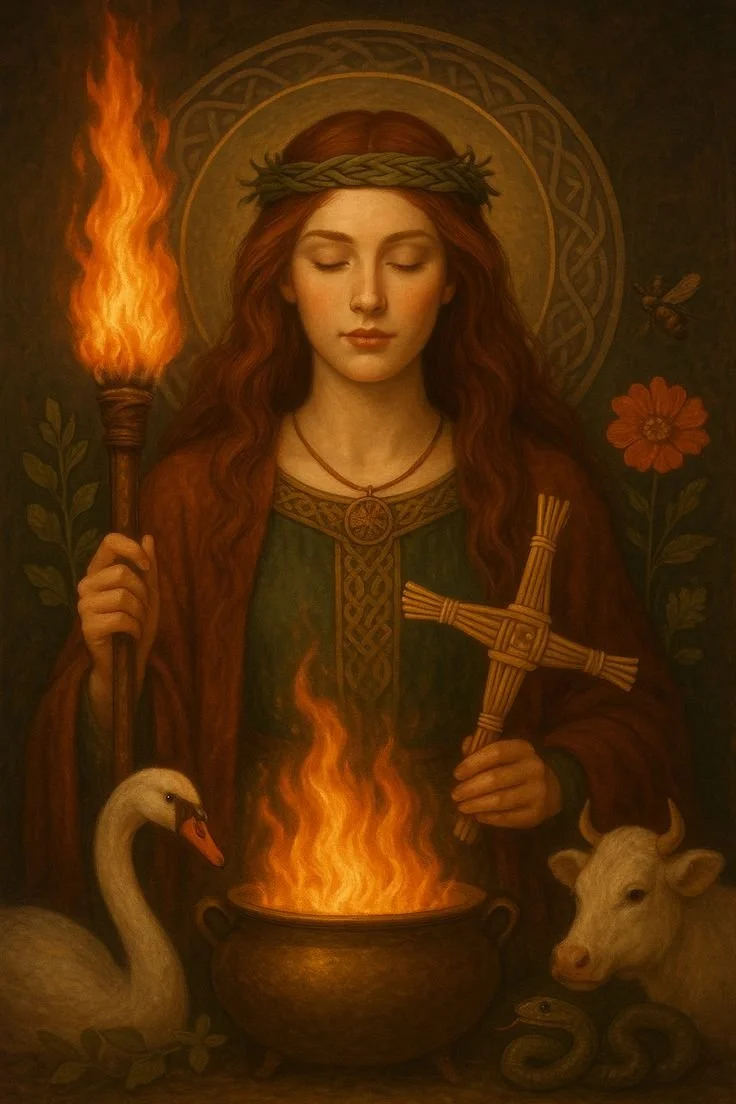
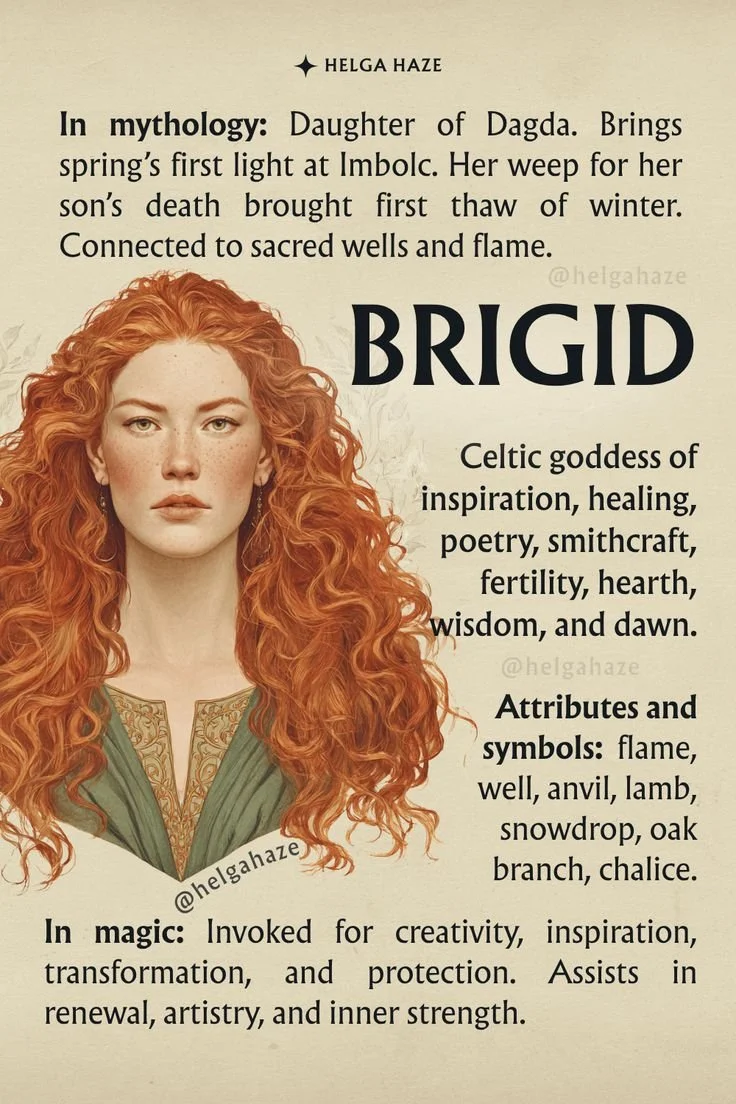
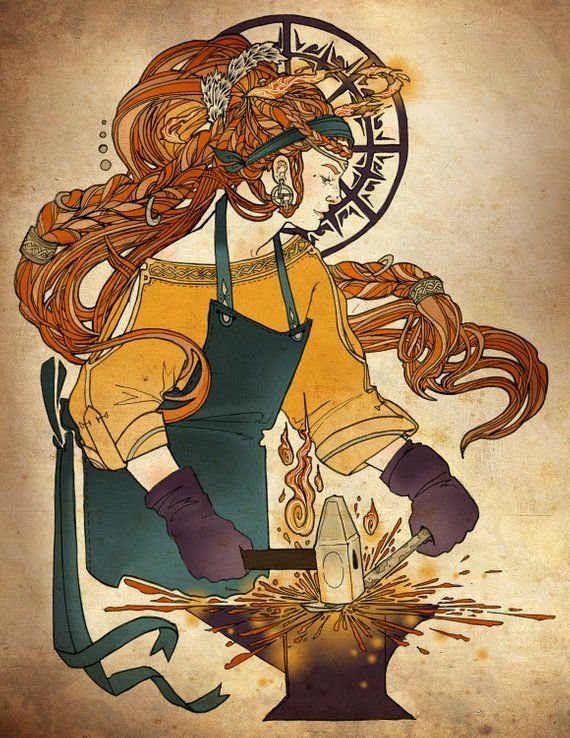
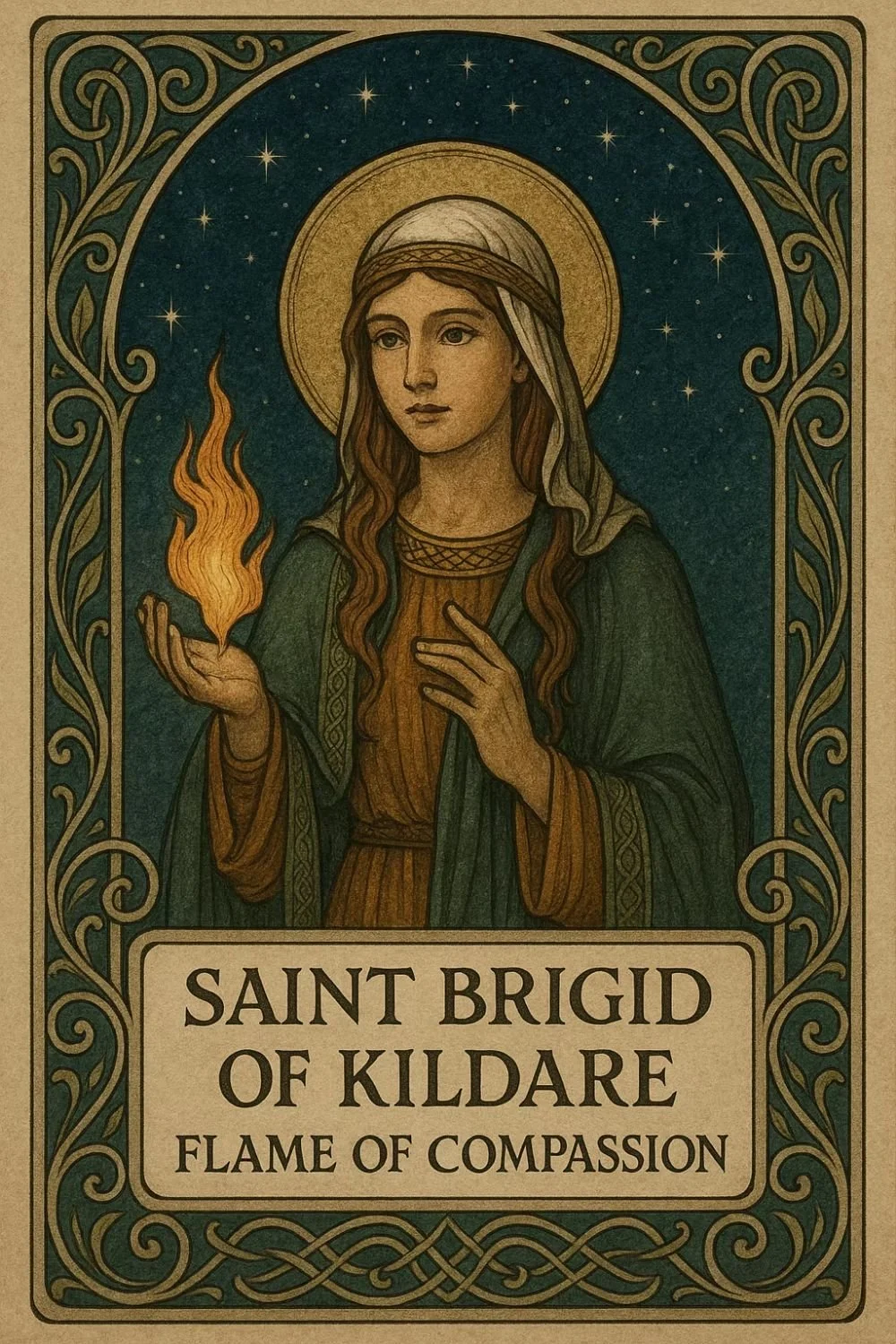
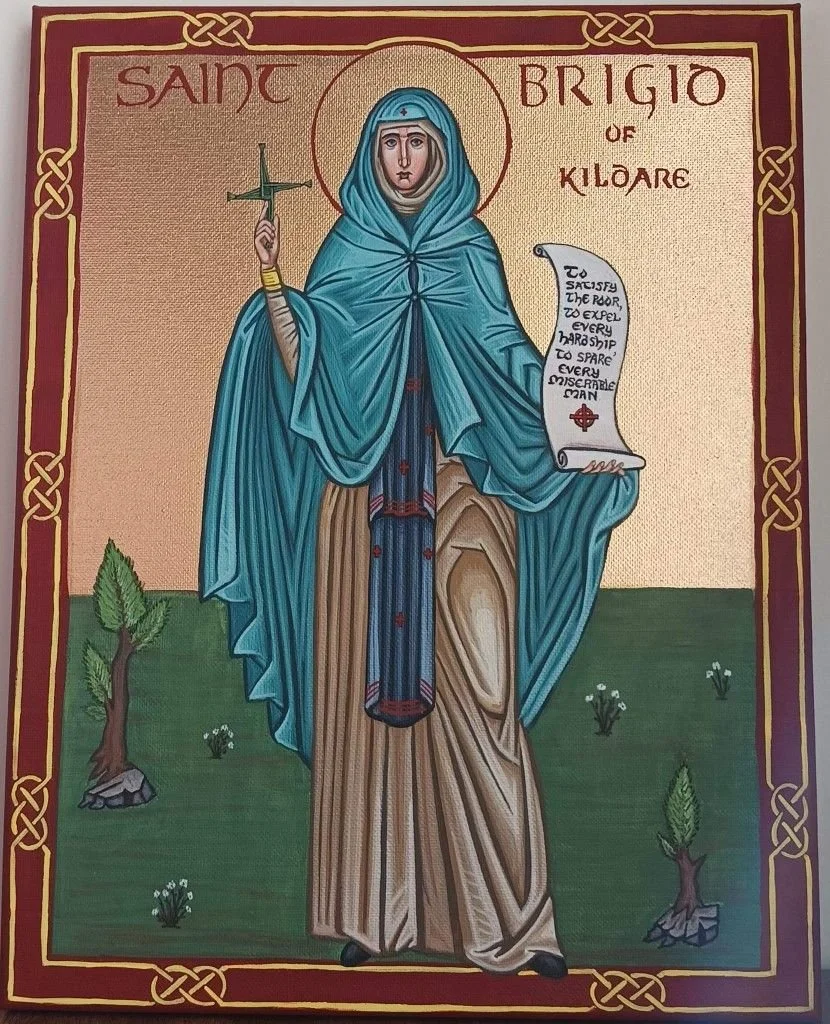
Image sources - Pinterest