
The Island of Sea Women, by Lisa See
I bought this book on a whim at the airport because I forgot my novel. I hate it when I forget something when travelling and have to buy it at the airport for an elevated price, but this must have been The Divine’s plan, because this book was riveting and one of the best books I’ve ever read. As soon as I read the blurb on the back, I knew it ticked many boxes for me!
The book follows the life of the main protagonist from her time as a child in the 1930’s, well into her 80’s. In just one lifetime, Young-Sook had to endure an incredible amount of change on her home island of Jeju, South Korea. Especially the Haenyeo culture which she is so engrained in; A culture of female free divers, who support their families by harvesting sea creatures from the ocean, at freezing temperatures. Just this aspect of the book alone is remarkable. That these extraordinary women were able to dive to such great depths, for hours, with no wetsuits, walk the line of life and death daily, do it while 9 months pregnant, have babies on the boats or in the seas, and harvest enough food to feed their families.
“Every woman who enters the sea carries a coffin on her back,” she warned the gathering. “In this world, in the undersea world, we tow the burdens of a hard life. We are crossing between life and death every day.”
These traditional words were often repeated on Jeju, but we all nodded somberly as though hearing them for the first time.
“When we go to the sea, we share the work and the danger,” Mother added. “We harvest together, sort together, and sell together, because the sea itself is communal.”
Their husbands would stay on land and look after the infants and children together in the village square, and handle domestic duties. The author See refers to the society as Matrifocal, not Matriarchal, where the Mother is the central figure in the family and the father plays a more marginal role. She makes the decisions, brings in the income, and is the lead of the family. But Men still get the rights of education supported by the money the women earn, and they inherit land and retain political power. I hadn’t heard of this term, and it really got me thinking about how our western culture could benefit from aspects of this social structure. You can feel through the characters in the book that women are respected on Jeju. Their work is respected, is it not un-paid and they are truly valued. They have independence and freedom, which they have earned themselves, and thus they thrive and the communities thrives.
The book follows the trials of WWII, the Japanese occupation, and the atrocities of the Korean War. What Young-sook, her family and her best friend Mi-ja have to endure is utterly devastating and hard to fathom. A quote from Young-Sook’s mother in-law highlights the strength that these women need;
“Fall down eight times, stand up nine. For me, this saying is less about the dead paving the way for future generations than it is for the women of Jeju. We suffer and suffer and suffer, but we also keep getting up. We keep living. You would not be here if you weren't brave. Now you need to be braver still.”
The book explores the Shamanist culture of the island (fascinating), war crimes, domestic violence, the extreme risks of diving in the ocean, family relationships, child bearing challenges, arranged marriages, Motherhood, our relationship with food, Martyrdom, and gendered education. Yet the surprising anchor of the book is based on friendship. This hit home hard for me, as I currently struggle with the parting of two of my close friends. It validated how I’ve been feeling as the story emphasised the value that friendship can bring to one's life. Often friendship is the subtext of a novel, I haven’t read that many books where it is the absolute main topic. And as a result, the author cleverly unleashed feelings in me that I believe many women have; the desire to be connected (purely by choice) to people who hold you through hardships with grace. See’s ability to then explore all the areas of a platonic relationship that can go wrong is fascinating, as she unearths notions of betrayal, anger, judgment, secrets, victimhood and ultimately forgiveness, or lack thereof, and what that can do to a person. What are you prepared to lose if you do or don’t forgive? What will the trade off be? The author See makes it glaringly obvious that there will always be a trade-off, it just depends what it is.
“I’ve had to think about the dark shadow side of friendship. This is the person who knows and loves you best, which means she knows all the ways to hurt and betray you.”
“How different it is with friendship. No one picks a friend for us; we come together by choice. We are not tied together through ceremony or the responsibility to create a son; we tie ourselves together through moments.”
Amongst the heaviness of the novel’s themes, there is beauty in the sense of community showcased. The haenyeo women are always having a laugh together in the bulteok, singing, and taking the mikey out of each other. It’s a wonderful, uplifting element of their culture which carries them through their sorrows.
I couldn’t recommend this book more, 5 gold stars from me. The experience of reading meant I received a riveting history lesson, now better understand forgiveness, flexed my empathy muscle ten-fold, am inspired to get out into the ocean and free-dive and felt a deep sense of gratefulness for my own life. And also strength. If these women can endure so much, then surely if I am tested, so can I. They epitomize resilience, strength and love.
My favourite quotes;
“You have been a good mother to your children, but now you must be an even better and stronger mother. Children are hope and joy. On land, you will be a mother. In the sea, you can be a grieving widow. Your tears will be added to the oceans of salty tears that wash in great waves across our planet. This I know. If you try to live, you can live on well.”
“As we enter the seas, the Afterlife comes and goes,” Do-Saeng trilled as we headed to the open waters. “I eat wind instead of rice. I accept the waves as my home.” And we sang back to her. “Ill fate, I do have. Like a ghost under-water, diving in and diving out.” “Here comes a strong surge,” Do-saeng called. “ Let us ignore it and keep diving.”
“The sea, it is said, is like a mother. The salt water, the pulse and surges of the current, the magnified beat of your heart, and the muffled sounds reverberating through the water together recall the womb.”
“They did this to me. They did that to me. A woman who things that way will never overcome her anger. You are not being punished for your anger. You’re being punished by your anger.”
“The sea is better than a mother. You can love your mother, and she still might leave you. You can love or hate the sea, but it will always be there. Forever. The sea has been the center of her life. It has nurtured her and stolen from her, but it has never left.”
Happy Reading!!
Brigid x
**This review was not written with AI
I couldn’t help but add some remarkable historial photographs of the Haenyeo women below, these images aren’t from the book.
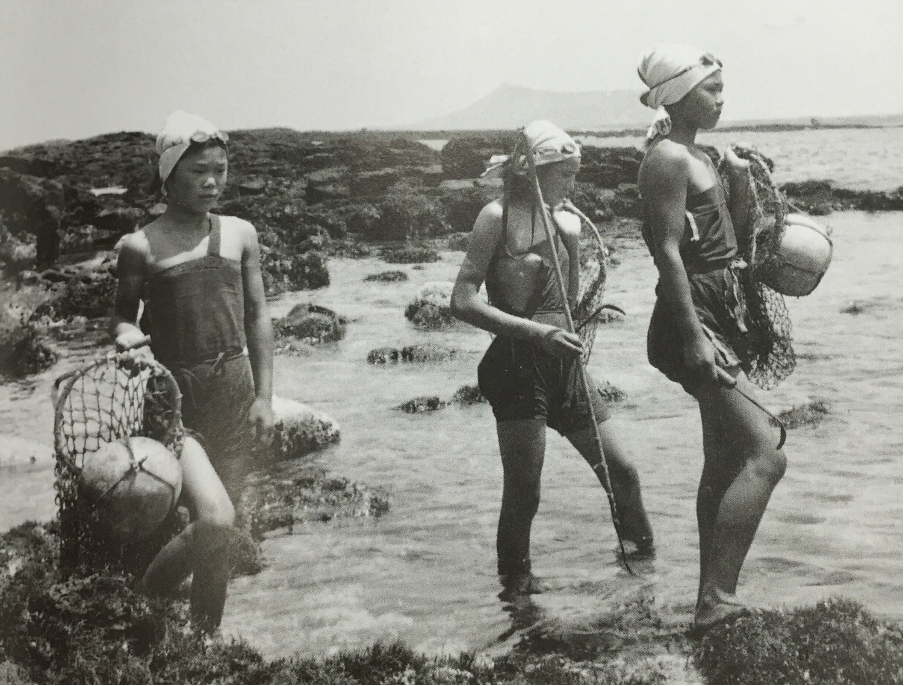
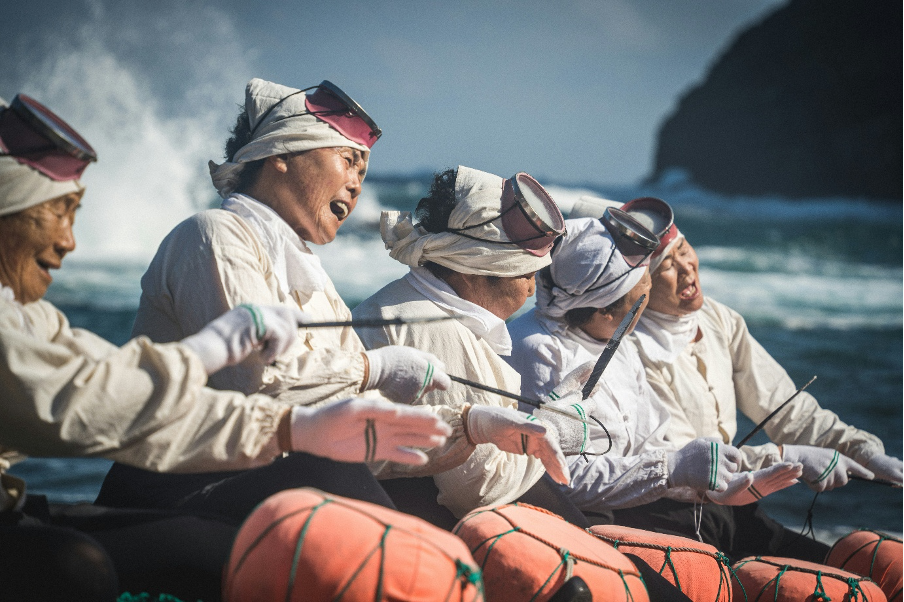
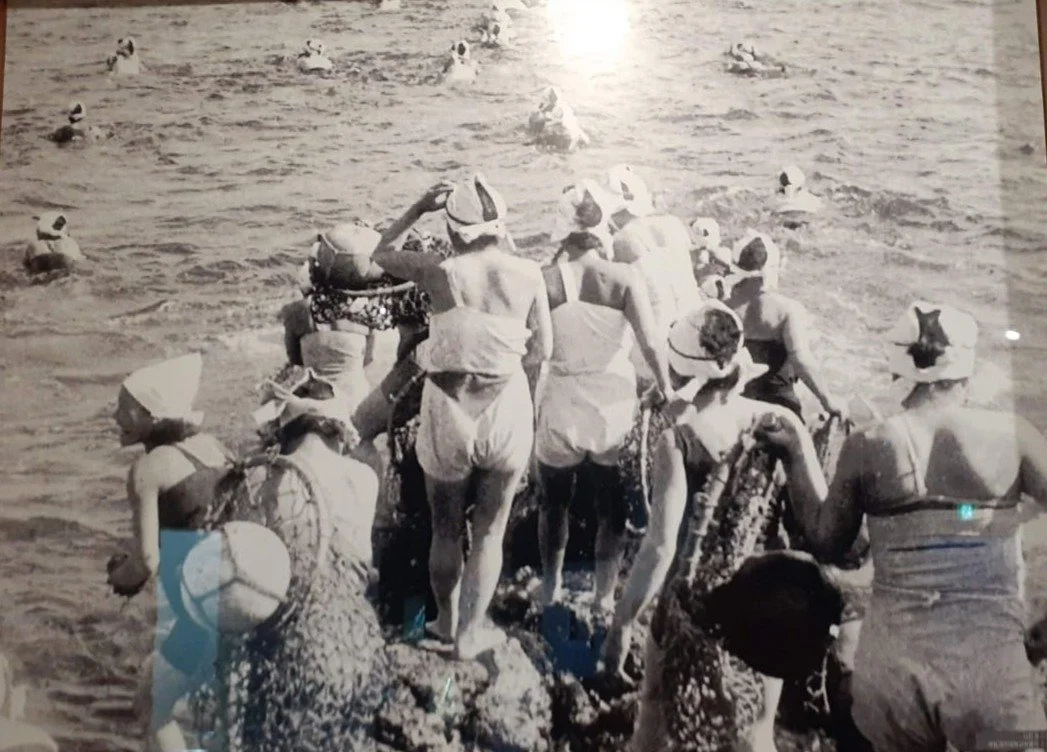
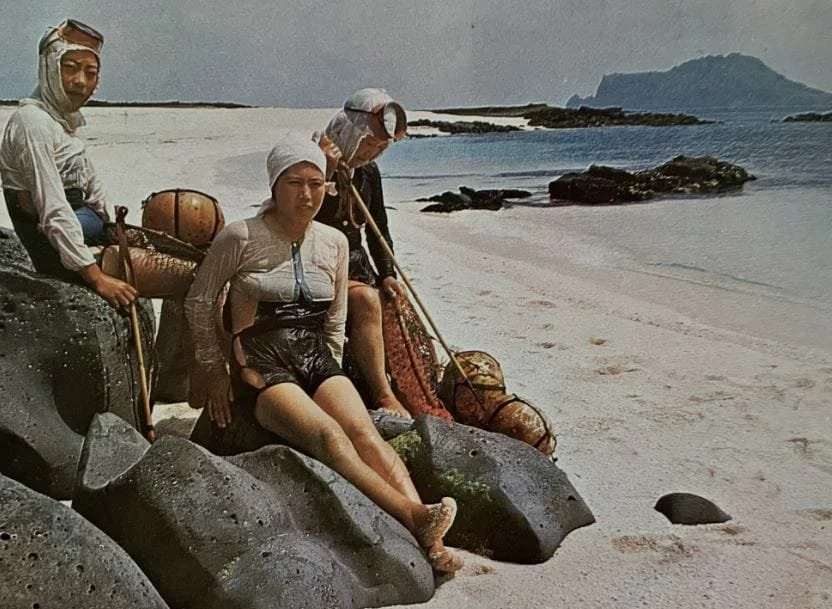
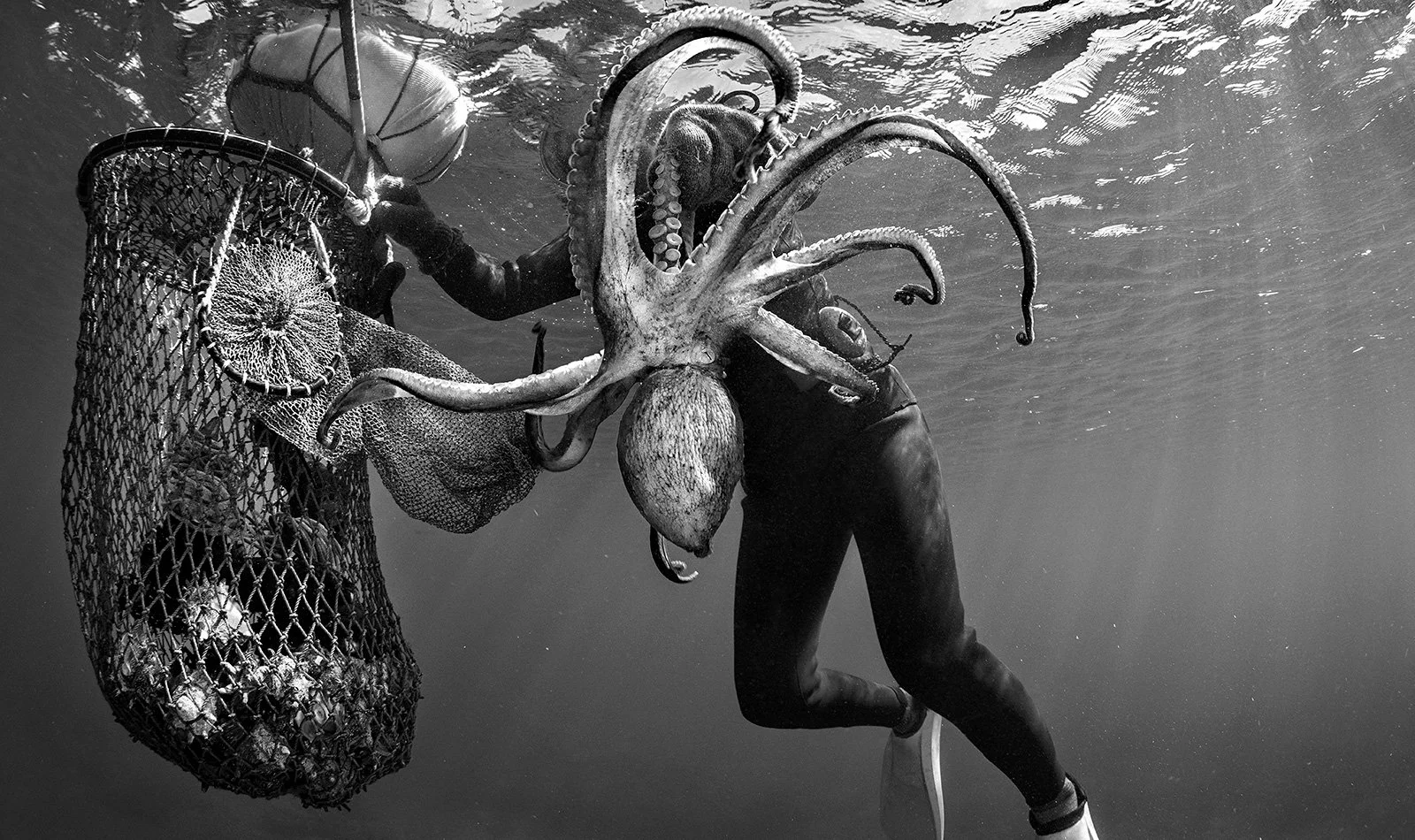
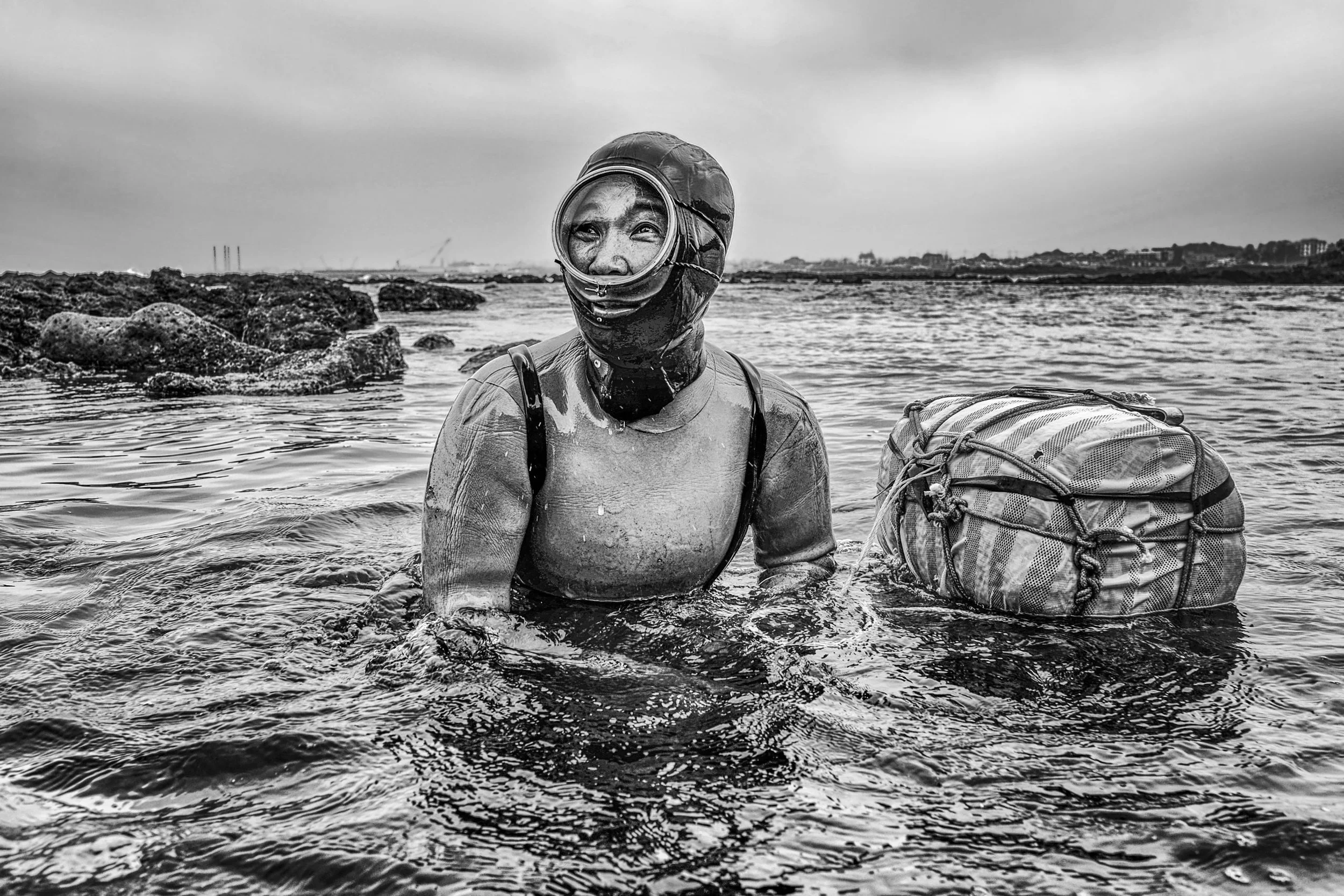
Image sources - The Dankook Hearald, Korea beyond dmz, Monash University, Sidetracked Magazine, Oceanographic Magazine,
I was also reminded of a beautiful short film featuring Kimi Werner (aka Kimi Swimmy), Lessons From Jeju, that Patagonia released a few years ago. Watch below;